Seasons, senses & self: Day 12
All spontaneous writing is influenced by everything we’ve read and heard – pop songs, news reports, childhood reading, overheard conversations. Long before starting to write myself, I learned poems I loved by heart, and relished saying them aloud. They became part of me, part of my thinking.
Then for years, I wrote each piece in a rush and refused to revise it – I didn’t want to lose its spontaneous feel. Some were just practice pieces, imitating others. Others fused self-expression and the craft I’d absorbed – good enough to share. But I didn’t notice all the dud lines…
Seasons, Senses & Self: a daily series
A few thoughts on spontaneity and craft
(Feel free to ignore this bit! But as people sometimes ask me about the writing process…)
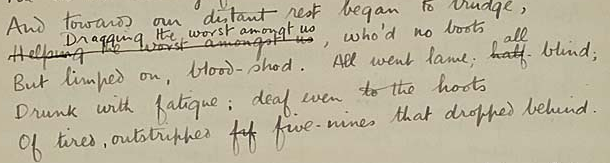
Some people write the first draft of a poem all in a rush, on impulse. Others build it up over time, noting down little flashes of inspiration, then sewing them together. Most poets edit their first draft – this can range from a few little tweaks to a complete rewrite.
Find your own way to balance spontaneous word-rush with deliberate craft. There are ways to nurture spontaneous writing, imaginative freewheeling, non-rational thinking. And you can hone your craft without getting bogged down with technical terms like ‘iambic pentameter’. Why not try to memorise a poem you love? Or read it aloud several times in different voices? Or write a spoof version of a poem you love or hate, changing some of the words – then rewriting that first draft, making it even more your own? You might find that some of the craft of the writer rubs off on you.
If you choose to edit a poem before sharing it more widely, try reading it aloud to an imaginary friend or audience. Don’t worry about whether they’ll think it’s good or bad (or disapprove of whatever the poem’s expressing). Focus instead on what pleases you about the sound, and the images your words are painting. Can you make them even more pleasing, more you? Notice any words or phrases likely to be misunderstood.
If you try your poem out on a friend, tell them you’re not interested in whether it’s “good” or “bad” – ask them how they feel when they hear it, or what images come to mind. You might want to get feedback from other writers you trust. But however good their own poems are, their suggestions might not be useful. It’s your poem!
Above all, don’t aim at perfection. Nothing is more inhibiting.